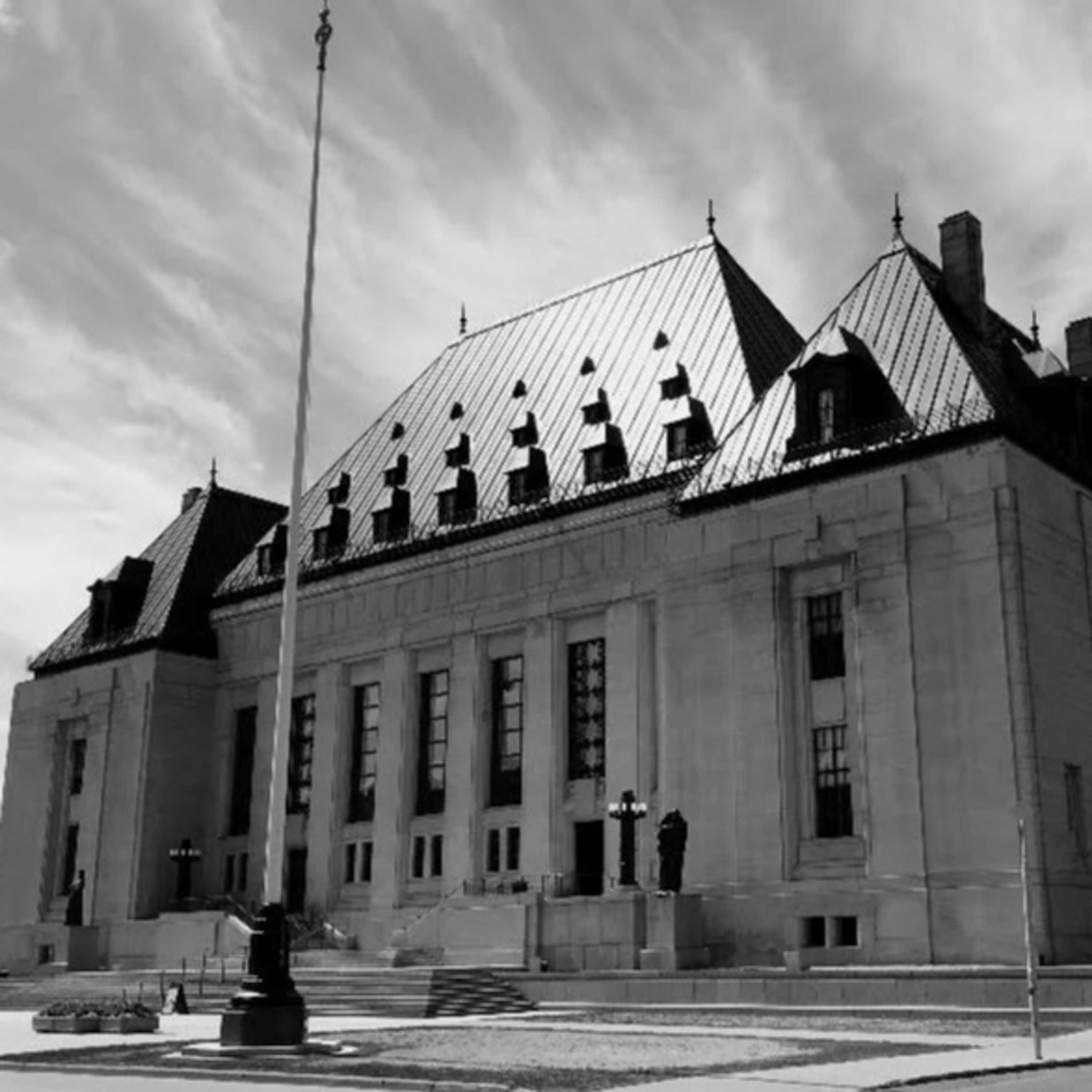
Jordan Bilinski v. His Majesty the King (42030)
In the Alberta Court of King’s Bench, the appellant was acquitted by a jury of one count of sexual assault. The appellant and complainant had three sexual encounters. It is alleged that before the encounters and again before the third encounter, the complainant had expressly stated the condition that the appellant wear a condom, and that during the third encounter, the appellant removed the condom. At trial, the appellant did not pursue the defence of honest but mistaken belief in communicated consent to sex without a condom, which would have amounted to a denial of mens rea for the offence of sexual assault. The trial, therefore, focused on the credibility and reliability of the complainant, which was relevant to whether she subjectively consented to sex without a condom, the actus reus required to secure a criminal conviction in this case, and proof of mens rea for sexual assault where the defence of honest but mistaken belief in communicated consent is not available on the facts.The Crown appealed the acquittal on points of law related to the jury instructions on the mens rea of that offence. It submitted that the trial judge erred in law in failing to instruct the jury that it should have “little difficulty” in finding the mens rea for sexual assault was established if it found that the complainant did not subjectively consent to touching of a sexual nature. The issue before the Court of Appeal was whether the trial judge should have left the knowledge component to the jury at all in the absence of a defence of honest but mistaken belief in communicated consent, or if left with the jury, whether it needed to be modified so that honest but mistaken belief in communicated consent was not left as an option for the jury when that defence was not available. The Court of Appeal panel agreed that errors of law had occurred in this case in the trial judge’s instructions to the jury, but provided separate reasons on whether the errors should result in a new trial. The majority would have allowed the appeal and ordered a new trial. It explained that if the “little difficulty” instruction had been given by the trial judge to the jury as required by the law in the circumstances of this case, the jury’s focus would have been squarely and solely on the credibility of the complainant regarding her assertion of non-consent in relation to the actus reus of the offence. The fact that the trial judge did not remove the defence of honest but mistaken belief in communicated consent from the factual mix that the jury considered on this issue raised the tangible risk that he allowed the defence of honest but mistaken belief in communicated consent to sneak in through the back door. The dissenting judge in the Court of Appeal would have dismissed the appeal. In his view, there were errors in the charge to the jury by the trial judge. However, a careful reading of the transcript and the exhibits, with particular attention to the communication between the parties, did not elevate these legal concerns to the reasonable degree of certainty that they would have had a material bearing on the acquittal.
Argued Date
2026-05-22
Keywords
Criminal law — Charge to jury — Sexual assault — Elements of offence — Mens rea — What mental element must the Crown prove in a sexual assault prosecution where the defence of honest but mistaken belief in communicated consent does not arise, and how should juries be instructed on the mental element in issue? — Whether the majority of the Alberta Court of Appeal erred in the application of the test to overturn a jury acquittal.
Notes
(Alberta) (Criminal) (As of Right / By Leave) (Publication ban in case)
Language
English Audio
Disclaimers
This podcast is created as a public service to promote public access and awareness of the workings of Canada's highest court. It is not affiliated with or endorsed by the Court. The original version of this hearing may be found on the Supreme Court of Canada's website. The above case summary was prepared by the Office of the Registrar of the Supreme Court of Canada (Law Branch).